HARM REDUCTION
PSYCHOTHERAPY TRAINING
A professionally produced 12-part certification training taught by Dr. Andrew Tatarsky, PhD
for therapists, clinics, schools, and individuals affected by problematic substance use.

Trusted by Clinicians & Institutions
Trusted by therapists, clinics, and academic programs committed to ethical, effective care.

My patients used to hide their substance use from me but now I retain them longer and more people with concerns about their use come to my practice. I also feel much more confident in the care I'm providing them. It's a huge change.
Individual Clinician

This certification transformed how our clinicians work with our clients and we're seeing significant improvements to our retention and people seeking our help.
Clinic Director

For years we didn’t adequately teach students how to do ongoing therapeutic work with substance use. This course finally gives students a realistic, flexible approach for the patients they will already see in their offices and it does not default to an outdated disease model of addiction.
Program Administrator
Meet Your Instructor
Andrew Tatarsky, PhD
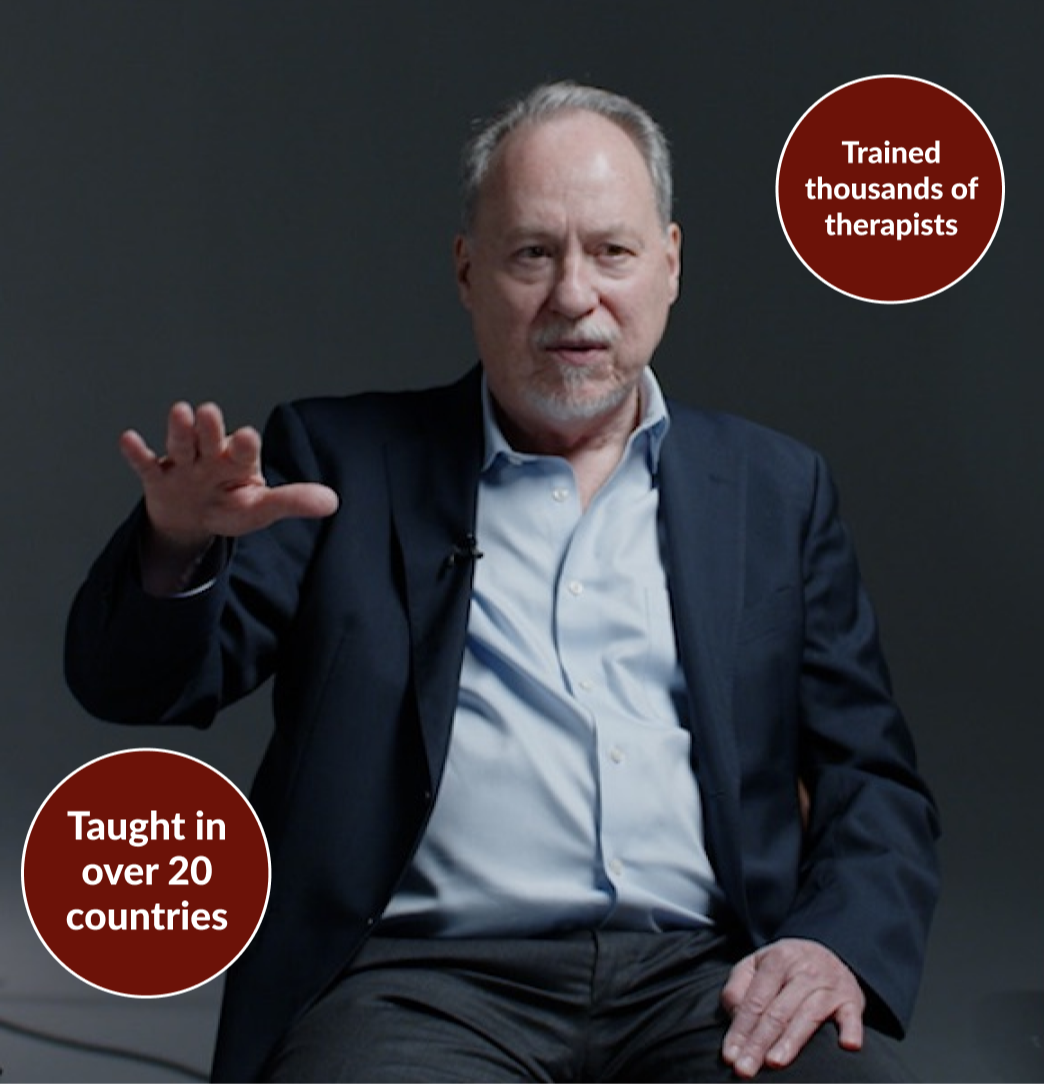
Dr. Andrew Tatarsky is one of the world's leading innovators in addiction treatment and the pioneering force behind harm reduction psychotherapy. He coined the term in 1998, authored the groundbreaking book Harm Reduction Psychotherapy: A New Treatment for Drug and Alcohol Problems, and went on to develop Integrative Harm Reduction Psychotherapy (IHRP)-a model that has transformed how clinicians understand and treat substance use, compulsive behaviors, and emotional suffering.
Across three decades, Andrew has become the field's most influential voice challenging the limits of abstinence-only care and reshaping the global conversation about addiction. His thinking integrates psychoanalysis, mindfulness, and cutting-edge behavioral science into a coherent, humane, and radically effective clinical approach. IHRP is now practiced and taught internationally, and Andrew has trained thousands of clinicians in over 20 countries, establishing him as one of the central architects of harm reduction psychotherapy.
He is the Founder and Director of The Harm Reduction Therapy Training Center, and previously founded and directed The Center for Optimal Living, which became the premier demonstration site for IHRP. Andrew holds a PhD in Clinical Psychology from the City University of New York and a Certificate in Psychoanalysis from New York University's Postdoctoral Program and is a Professor of Professional Practice at The New School.
A Different Standard of Clinical Training
Everything you need to master harm reduction psychotherapy and transform your practice

12 HD Videos
Download PDF Companion Guide

Pricing Tiers
Pick the option that fits your learning style and goals.
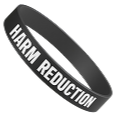
Bracelet Community
A physical reminder you can touch to ground yourself and orient toward care.
Discover What Makes Our Method Unique

Who This Training Is For
Designed for professionals and individuals working with – or impacted by – substance use and compulsive behaviors.

Individual Therapists
Social workers, counselors, MFTs, psychologists, graduate students.



Amazing Feature
Lorem ipsum dolor sit amet, metus at rhoncus dapibus, habitasse vitae cubilia.

Amazing Feature
Lorem ipsum dolor sit amet, metus at rhoncus dapibus, habitasse vitae cubilia.
Track, Certify, and
Receive a Reward
✅ Become Certified as a Harm Reduction Addiction Therapist
✅ knowledge verification
✅ Receive a CE-aligned certificate
✅ Complimentary Harm Reduction bracelet mailed to you

Core Lessons & Skills You'll Master
Through real clinical examples and clear frameworks, learn to engage clients with empathy, curiosity, and evidence-based strategies across 12 comprehensive modules.
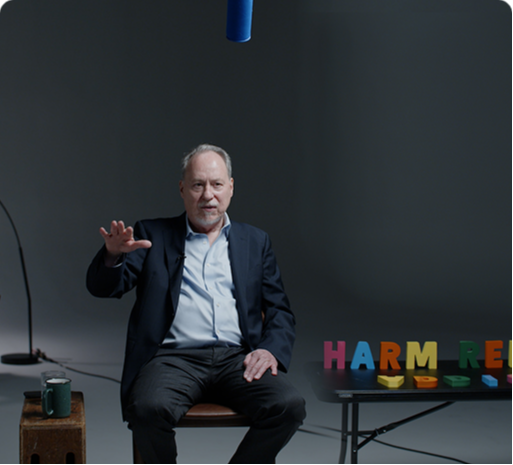
Harm Reduction
Reframe addiction as a learned coping strategy while mapping leverage points for harm reduction.

Meeting The Patient
Start with non-stigmatizing language and collaborative agenda-setting so clients feel safe.

The Relationship
Treat the therapeutic alliance as the primary mechanism of change with clear boundaries and warmth.

Abstinence
Frame abstinence as one valid harm-reduction pathway chosen by the client, not a mandate.

Risk / Managing Risk / Harm
Triage risk with practical tools—overdose prevention, safer-use education, and crisis contacts.
Using In Session
Address in-session urges with calm containment, safety checks, and clear therapeutic limits.

Microanalysis
Map triggers, thoughts, and body cues moment-by-moment to identify tiny decision points.

The Ideal Use Plan
Translate intentions into concrete steps with implementation intentions and coping-ahead plans.

Urge Surfing
Teach the physiology of urges as waves that rise, crest, and fall with guided practice.

Unwrapping the Urge
Get curious about what the urge is trying to accomplish—relief, connection, or regulation.

Ambivalence
Use MI techniques to elicit change talk without argument and help values lead, not pressure.

Grief
Acknowledge losses tied to substance use and change with grief-informed practices.

Frequently Asked Questions
Who is this course for?
How do CE credits work?
How long do I have access?
Is this suitable for non-clinicians?
How is the bracelet shipped?
Stories from Therapists