


Taught by Andrew Tatarsky, PhD —
founder of harm reduction psychotherapy
Harm Reduction Psychotherapy for Addiction & Compulsions
A practical clinical approach to helping people change problematic substance use — tailored to the person in front of you, whatever their starting point.
12 modules · 3.5 CE credits · self-paced · no deadline
Addiction was left out of most therapists’ training.
Andrew Tatarsky teaches a practical process for working with problematic substance use: understand what the behavior is doing for the person, help them talk honestly about it, and support meaningful change from wherever they are starting.


Meet your instructor
Andrew Tatarsky, PhD
Dr. Andrew Tatarsky is one of the world's leading innovators in addiction treatment and the pioneering force behind harm reduction psychotherapy. In 1998, he authored the groundbreaking book Harm Reduction Psychotherapy: A New Treatment for Drug and Alcohol Problems, and went on to develop Integrative Harm Reduction Psychotherapy (IHRP) — a model that has transformed how clinicians understand and treat substance use, compulsive behaviors, and emotional suffering.
Across three decades, Andrew has become a leading voice challenging the limits of abstinence-only care and reshaping the global conversation about addiction. His thinking integrates psychoanalysis, mindfulness, and cutting-edge behavioral science into a coherent, humane, and practical clinical approach.
He is the Founder and Director of The Harm Reduction Therapy Training Center, and previously founded and directed The Center for Optimal Living. He is a Senior Advisor at Silver Hill New York and serves on the Medical and Clinical Advisory Panels for the New York State Office of Addiction Services and Support. Andrew holds a PhD in Clinical Psychology from the City University of New York and a Certificate in Psychoanalysis from New York University's Postdoctoral Program, and is a Professor of Professional Practice at The New School.
What You’ll Learn
Understanding Addiction
Rethinking addiction beyond the disease model and understanding problematic substance use as a complex, human experience.
Harm Reduction Psychotherapy
Building the alliance, talking honestly about substance use, and working toward goals that may include safer use, moderation, or abstinence.
Making Positive Change
Identifying what drives substance use and helping clients develop practical, individualized strategies for reducing harm and changing their relationship with substances.
What this changes in the room
A Different Way to Work With Substance Use
01
Clients who tell you the truth
When people expect judgment, they hide their use. Learn the language and therapeutic stance that make it safer to talk honestly.
02
A way through ambivalence
Work with clients who want change but aren’t ready — or may not need — to stop completely.
03
Confidence when risk enters the room
Assess risk, set appropriate boundaries, and stay therapeutically engaged without either minimizing danger or panicking.
And it goes beyond drugs and alcohol.
Apply the same framework to gambling, gaming, pornography, phone use, and other compulsive behaviors.
Filmed like a documentary, taught like a masterclass
Real clinical dilemmas, roundtable conversations with practicing therapists, and Andrew's step-by-step method.



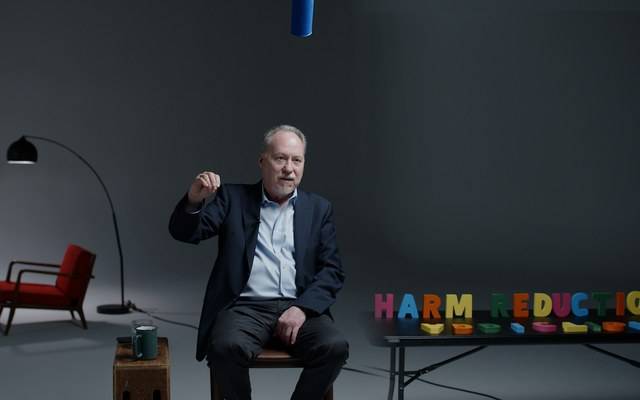
Scenes from the course
Course contents
The twelve modules
The course moves in four parts: reframing the clinician’s model of addiction, addressing the hardest clinical moments, teaching Andrew’s core interventions, and supporting real change — including the losses that can come with it.
I · Change the model
01 Harm Reduction +
Rethinking addiction beyond the disease model: use exists on a continuum, has functions and meanings, and is met with curiosity and individualized goals rather than prescription.
02 Meeting the Patient +
Beginning treatment as an ally rather than an expert: what the patient likes as well as dislikes about their use, what it does for them, and goals that may include abstinence, moderation, reduction, or experimentation.
03 The Relationship +
The alliance as a mechanism of change: trauma and mistrust, countertransference as clinical information, co-regulation, and Andrew’s “loop of awareness” — attending to the patient, yourself, and what is happening between you.
04 Abstinence +
When abstinence helps — and when requiring it can backfire by increasing shame, secrecy, and the abstinence violation effect — keeping it available as one patient-chosen goal.
II · The hard moments
05 Risk +
Staying genuinely engaged when a patient is doing something dangerous, without becoming permissive or taking authoritarian control: collaborative safety planning, overdose education, and the clinician’s own anxiety and limits.
06 Using in Session +
When someone arrives intoxicated: investigating what the use is doing for the person — regulating anxiety, testing the therapist, making therapy tolerable — while still assessing actual safety and impairment.
III · Andrew’s core interventions
07 Microanalysis +
Slowing down a single episode of use and mapping the sequence — circumstances, feelings, urge, debate, decision, consequences — to find exactly where small changes are possible.
08 Urge Surfing +
Using mindfulness to create space between urge and action: grounding, the window of tolerance, watching intensity rise and fall — adapted for trauma, where inward attention isn’t always safe.
09 Unwrapping the Urge +
Going beyond resisting an urge to asking what it means: what it wants, what it protects, and which need or disowned part is speaking through it.
10 Ambivalence +
Treating ambivalence as an accurate description of how people work, not resistance: engaging both the part that urgently wants to stop and the part that deeply values using.
IV · Making change — and living with it
11 The Ideal Use Plan +
Turning exploration into an experiment rather than a pass/fail contract: subjective and objective goals, alternatives, high-risk-event planning, and continual revision.
12 Grieving +
When reducing use means losing something that genuinely mattered — a companion, a regulator, an identity — the sadness has to be grieved, not pathologized.
CE credits
Earn 3.5 CE credits on your schedule
Watch the twelve modules on your schedule, pass a short mastery quiz, and your CE certificate is emailed to you — ready to submit to your board.
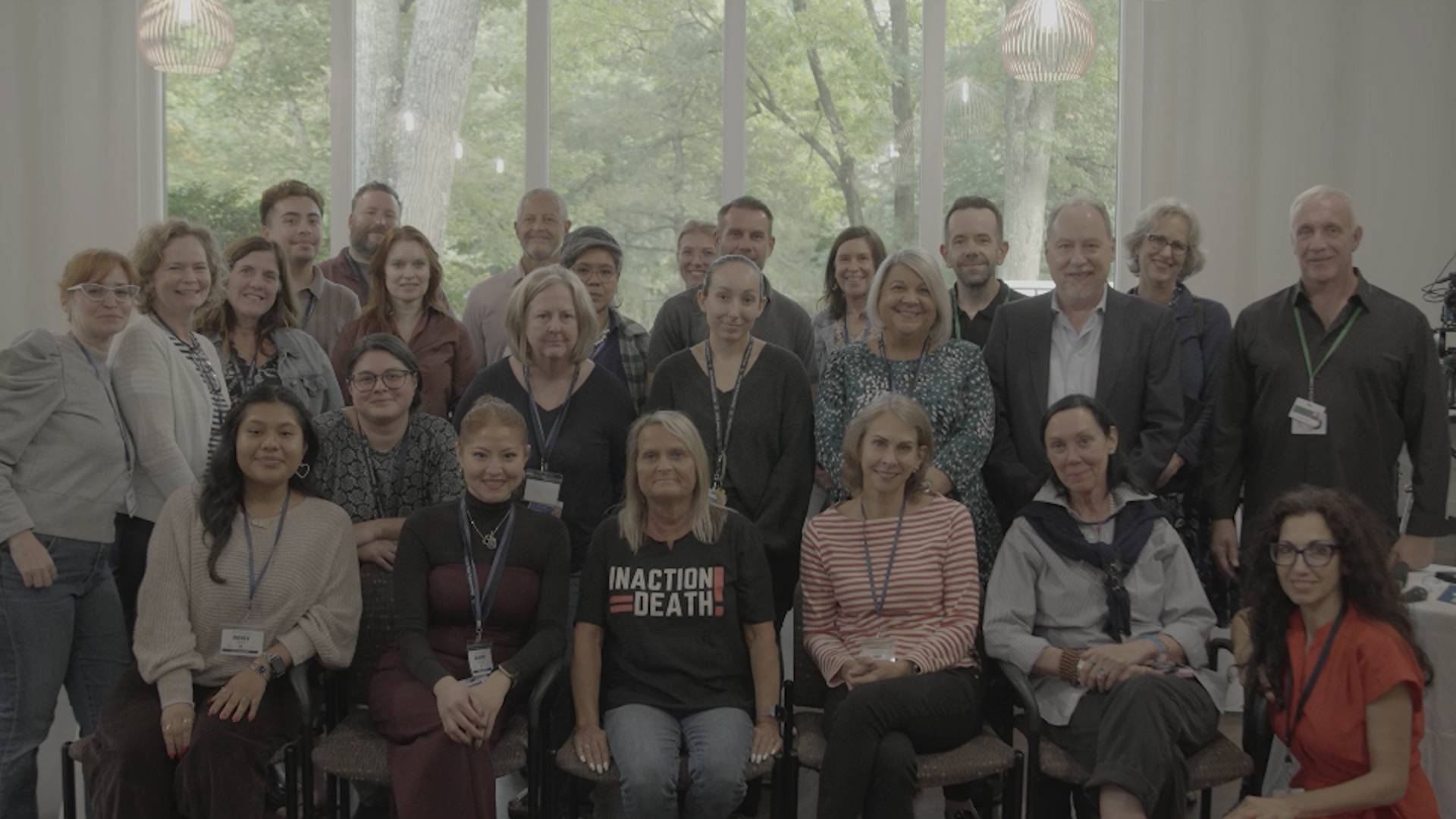
What clinicians & institutions say
“This training will breathe fresh air into the way clinicians and program staff typically think about working with clients who struggle with substance use.”
“Clinicians often see substance use disorder as ‘another animal.’ This could really shift our therapists.”
“I've found the material both resonant and refreshing. Andrew Tatarsky is a captivating presenter — thoughtful, engaging, and genuinely inspiring.”
Who it's for
Choose the path that fits you
The training adapts to your setting.
Pairing this with Nancy McWilliams’s diagnosis masterclass? The two-course bundle saves you $54 →
Also from Andrew Tatarsky
Shorter workshops on specific problems
One-topic trainings you can watch in about an hour.
Stay updated on new courses
Join the mailing list to see new courses when published.
Watch the course. If it isn’t useful to your practice, write to us within 30 days and we’ll refund it in full.
Stay Updated on New Courses
Join the mailing list to see new courses when published